Campobello Island and the Roosevelt cottage
A Canadian island joined by bridge to Maine, where a president spent his summers, a lighthouse stands on a rock cut off at high tide, and fog drifts over beaches and coves.
Campobello · from Saint John: About two and a half hours
Tide note The path to East Quoddy Head lighthouse is passable only around low tide. The tide floods quickly and strands people on the rock; know the time of the turn.
Campobello is a Canadian island that you usually reach from the United States. It lies at the mouth of Passamaquoddy Bay, at the southern end of the Fundy Isles, and the only bridge to it runs from Lubec, Maine. From the New Brunswick mainland you either drive through Maine or take two ferries in summer by way of Deer Island. That odd geography has given the island a quiet, separate character. It is a place of fishing villages, foggy coves and wild headlands, and of one famous summer house.
Getting there
The Franklin Delano Roosevelt Memorial Bridge crosses the narrows from Lubec to Campobello, and the Canadian border post sits at the island end. You need a passport or another accepted document to cross in either direction. Remember that Campobello keeps Atlantic time while Lubec is on Eastern time, an hour behind: clocks change as you cross the bridge.
From the New Brunswick side, a free provincial ferry crosses to Deer Island from near Blacks Harbour, and in summer a small private ferry has run from the south end of Deer Island to Campobello. The second crossing is seasonal and weather dependent. Otherwise you drive through Maine to Lubec, a long but simple road trip. For how these links fit together, see ferries and roads around the bay.
The Roosevelt cottage and the international park
Franklin Delano Roosevelt spent many boyhood summers on Campobello, when the island was a fashionable resort for wealthy families from Boston, New York and Montreal. As an adult he returned with his own family to a large, red-shingled summer cottage looking out over the water toward Lubec. It was here, in August 1921, that he fell ill with the paralytic illness that changed his life. He came back only a few times after he became president.
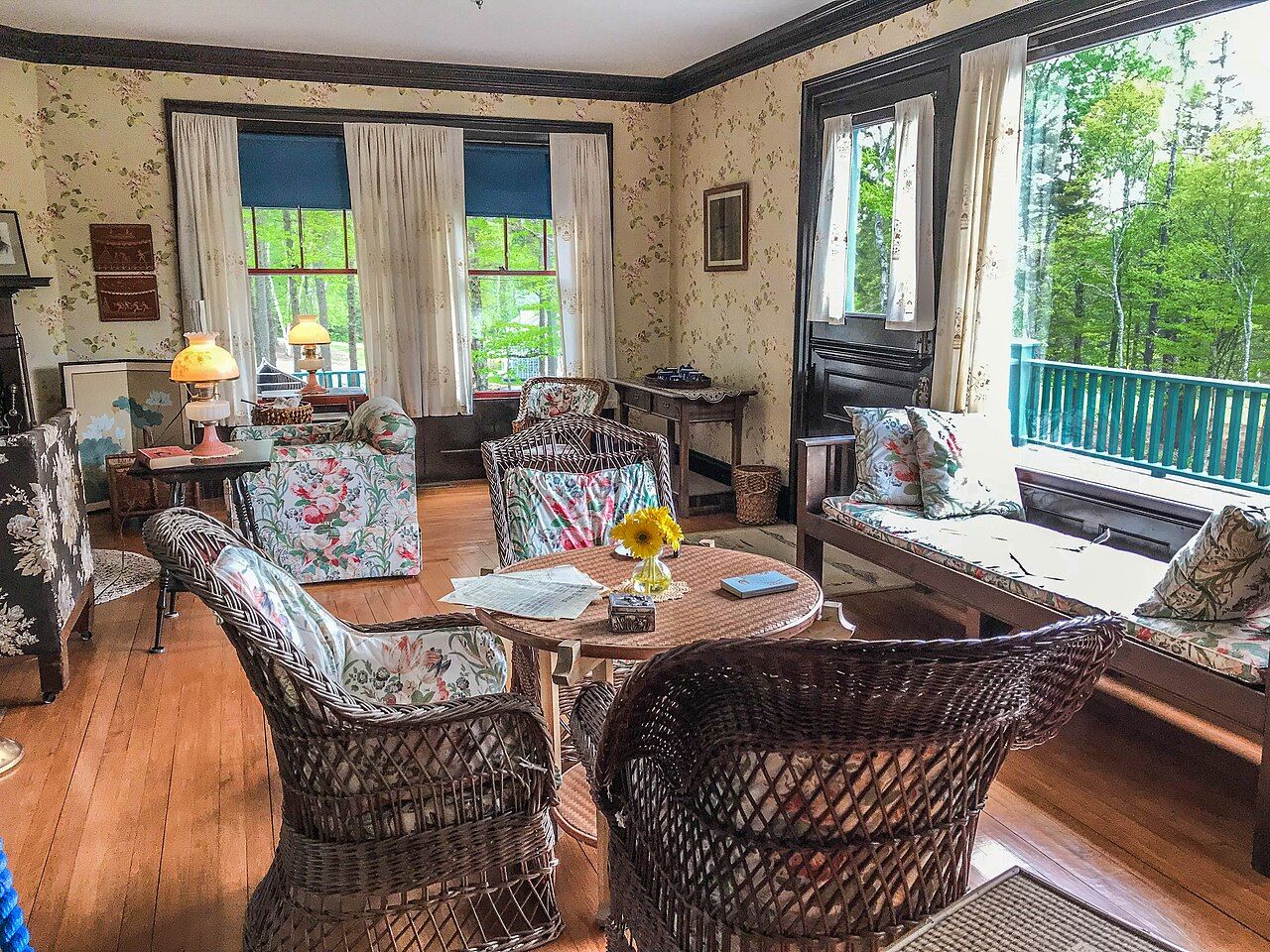
The cottage and the surrounding land now form Roosevelt Campobello International Park, created in 1964 and run jointly by Canada and the United States. It is one of very few parks in the world owned and managed by two countries together. Inside the cottage, many of the rooms are kept much as the family knew them, with simple wooden and wicker furniture, family items and views across the water.
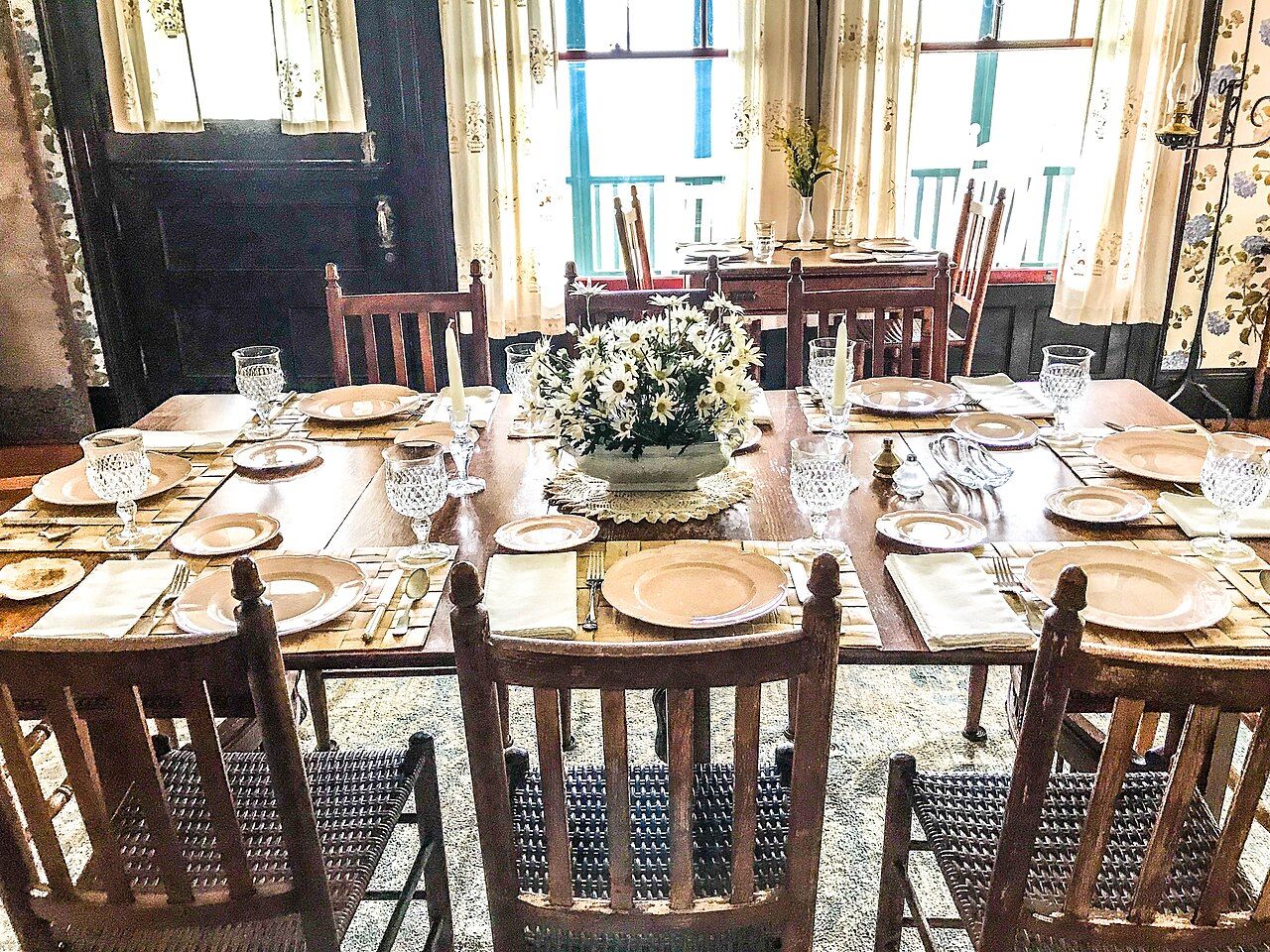

The cottage is open in season, roughly from late spring to mid autumn, and a visitor centre near the entrance explains the family's history on the island. Its days and hours shift through the year. The grounds, with gardens and neighbouring cottages, are pleasant to walk in at any time of day.

The natural area and the shore
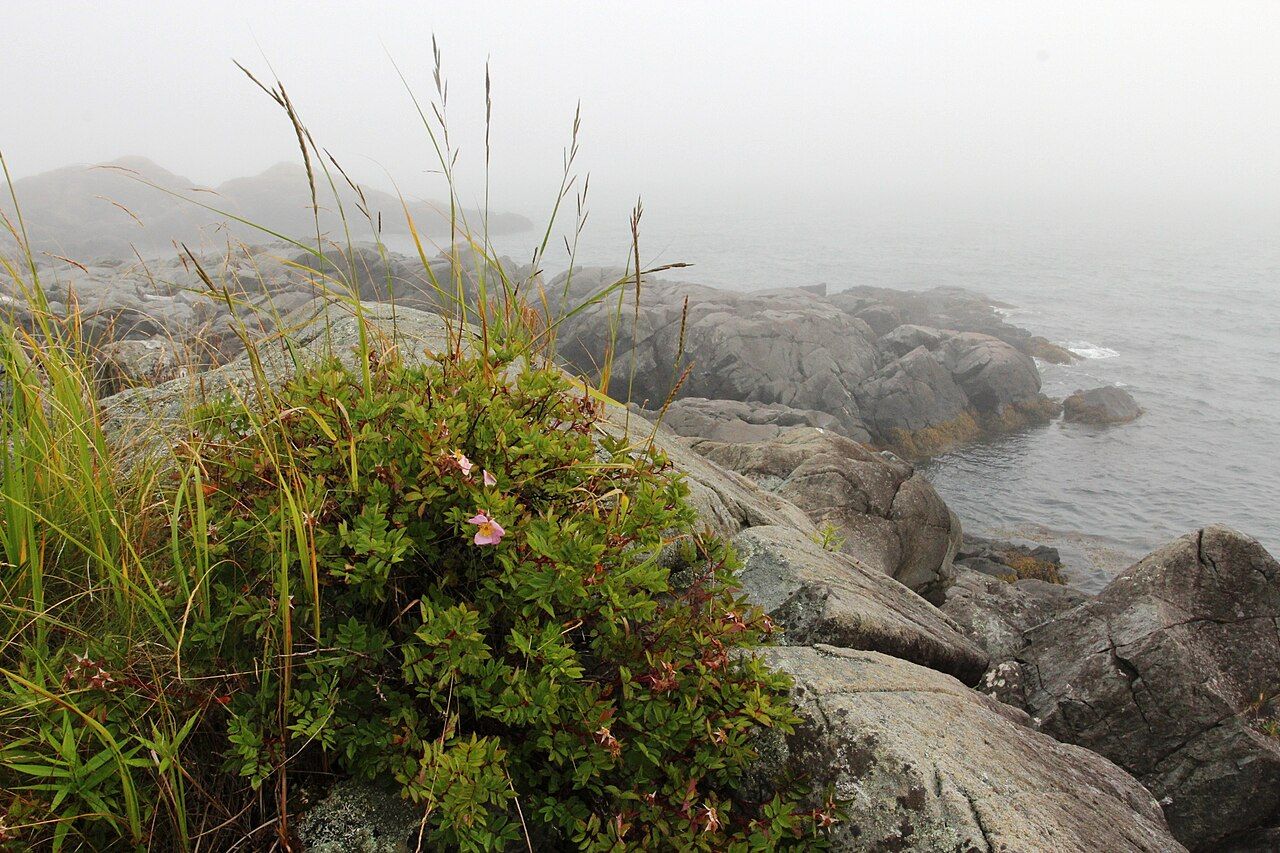
Most of the international park is not lawns and houses but a large natural area covering much of the island's southern half. Gravel roads lead to lookouts, beaches and trailheads, and footpaths follow the shore past bogs, coves and rocky points. Friars Head, near the park entrance, is a good short climb with views over the bay. Farther south, beaches and headlands face the open water, and the coast is often veiled in fog that lifts and drops through the day.
The rocks here are pink and grey granite, smoothed by the sea and patched with lichen, wild roses and grasses along the edges. In summer the woods and shores are quiet, and you may have long stretches of path to yourself. Watch the sea from the headlands: porpoises, seals and sometimes whales feed in the currents offshore, and the animals of the outer bay are described in whales of the Bay of Fundy.
Herring Cove Provincial Park, on the eastern side of the island, has a long beach, a lake and walking trails through the woods. It makes a good base for a slow afternoon, and the beach is a pleasant place to walk at low tide, when the sand and rocks stretch well out from the shore. Watch the water as it returns, and keep children close to the upper beach.
East Quoddy Head lighthouse
At the northern tip of the island, East Quoddy Head lighthouse, also known as Head Harbour light, stands on a small rocky island just off the point. Its white wooden tower is marked with a large red cross, making it one of the most recognisable lights on the Atlantic coast. Above the passage, the tide runs hard, and whales are often seen in the water nearby.
The lighthouse can be reached on foot only around low tide. The route leads down from the parking area, over rocks and seaweed, and up steep metal stairs and ladders onto the island. At high tide the gap is filled by deep, fast water. People have been stranded on the rock and some have been swept away trying to get back across. Check the tide table before you set out, go down only on a falling tide, and come back with plenty of time to spare. Sturdy footwear is essential, as the rocks are coated in slick weed.
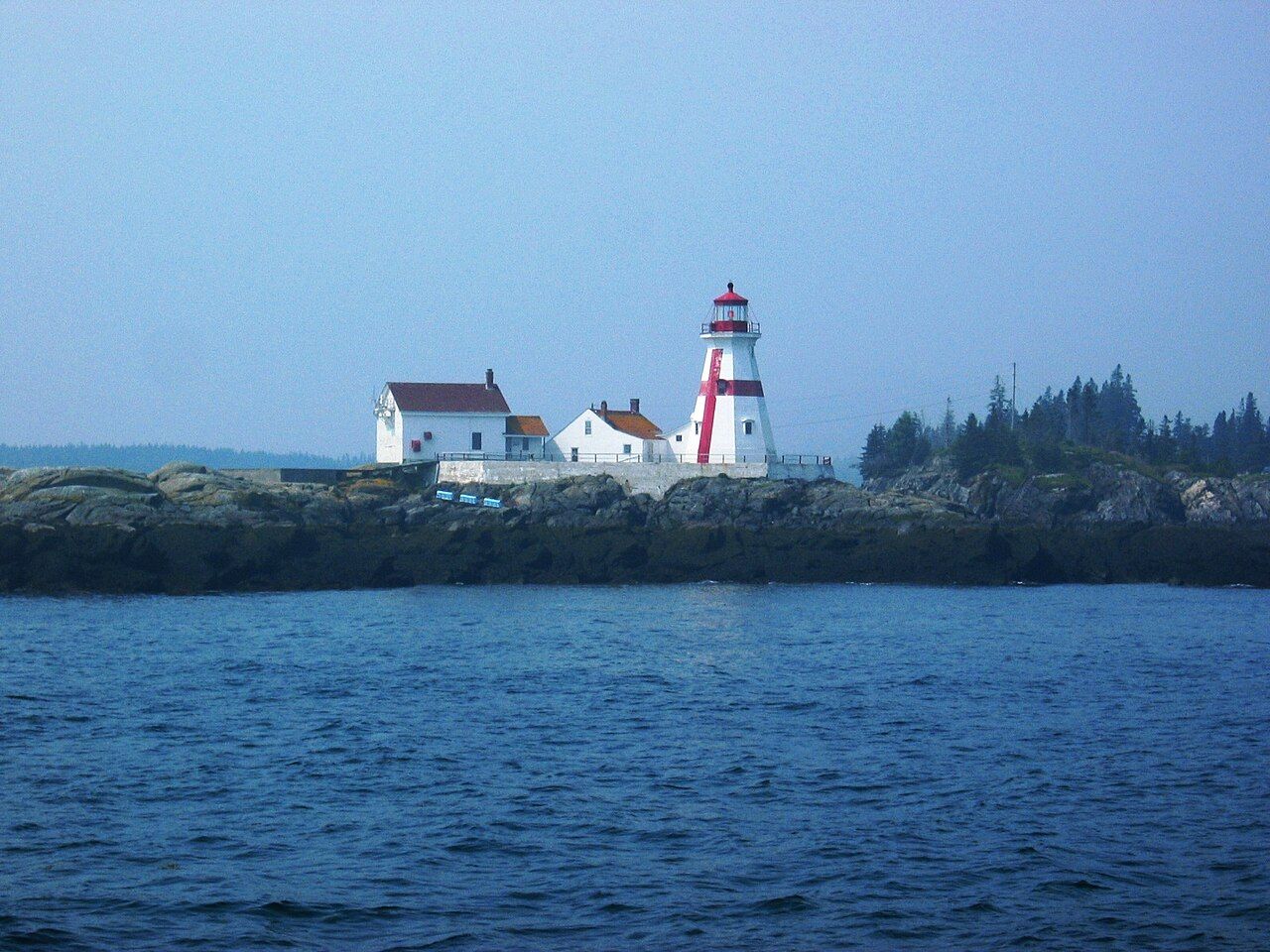
If the tide is wrong, you lose very little by staying on the headland. The view of the lighthouse and the passage is just as good from above.
If the tide is wrong, you lose very little by staying on the headland.
Villages and the rest of the island
The northern part of the island is lived in and worked. Welshpool, near the cottage, and Wilson's Beach farther north are fishing communities with wharves, boats and herring weirs along the shore. The main road runs the length of the island, and side roads lead down to small harbours. Mulholland Point, near the bridge, has a small lighthouse looking across to Lubec.
The island has places to stay and eat, a grocery store and fuel, but services are limited outside summer. Plan at least a full day, and two if you want to walk the natural area and visit East Quoddy Head at the right tide.
- Bring a passport or other accepted travel document for the border.
- Note the time zone change on the bridge.
- Check the tide table for East Quoddy Head before you go.
- Carry layers: fog and wind are common on the southern shore.
Campobello pairs well with the other Fundy Isles. From the island you can look across the water to Deer Island and, beyond it, to the mainland. Travelling on by the summer ferry takes you to Deer Island Point and the whirlpool described in Deer Island and the Old Sow whirlpool. From the mainland side, the Loyalist town of St Andrews by-the-Sea lies about an hour away by road and ferry.