Lobster, dulse and the Fundy table
The bay's cold, tide-stirred water feeds lobster, scallops, herring and seaweed, and the food along this coast follows the fishing seasons more than any menu.
Bay-wide · from Saint John: Saint John's market is the start
Tide note Gathering clams or seaweed on the flats means working against the tide, and shellfish areas close without warning. Check closures and tide times first.
The Bay of Fundy is cold, and the tides keep it stirred from top to bottom. That mixing carries nutrients up from the depths and feeds an enormous amount of life, from plankton and seaweed to herring, scallops, lobster and the whales that come in summer to feed. People on this coast have lived off that richness for as long as anyone has lived here, and the food still follows the water. You eat what the boats are bringing in, what the tide uncovers and what grows along the shore in its season.
Lobster and its seasons
Lobster is the bay's best-known catch and the backbone of many fishing communities. The surprising thing for many visitors is the timing. In the outer part of the bay, around Grand Manan and the southwest coast of New Brunswick, the main lobster season runs through the colder months, opening in late autumn and running into early summer. Boats set traps in some of the roughest weather of the year.
That means the freshest local lobster in this part of the bay often comes in late autumn and spring. In high summer, lobster is still widely available, from pounds and holding tanks and from other fishing areas, but it is worth asking where it came from. Seasons and their dates are set by area and can change.
The classic way to eat it is simple: boiled in salted water, served with melted butter, and taken apart at the table with a cracker and a pick. Lobster rolls, lobster in chowder and lobster in a creamy stew are all common along the coast.
Scallops
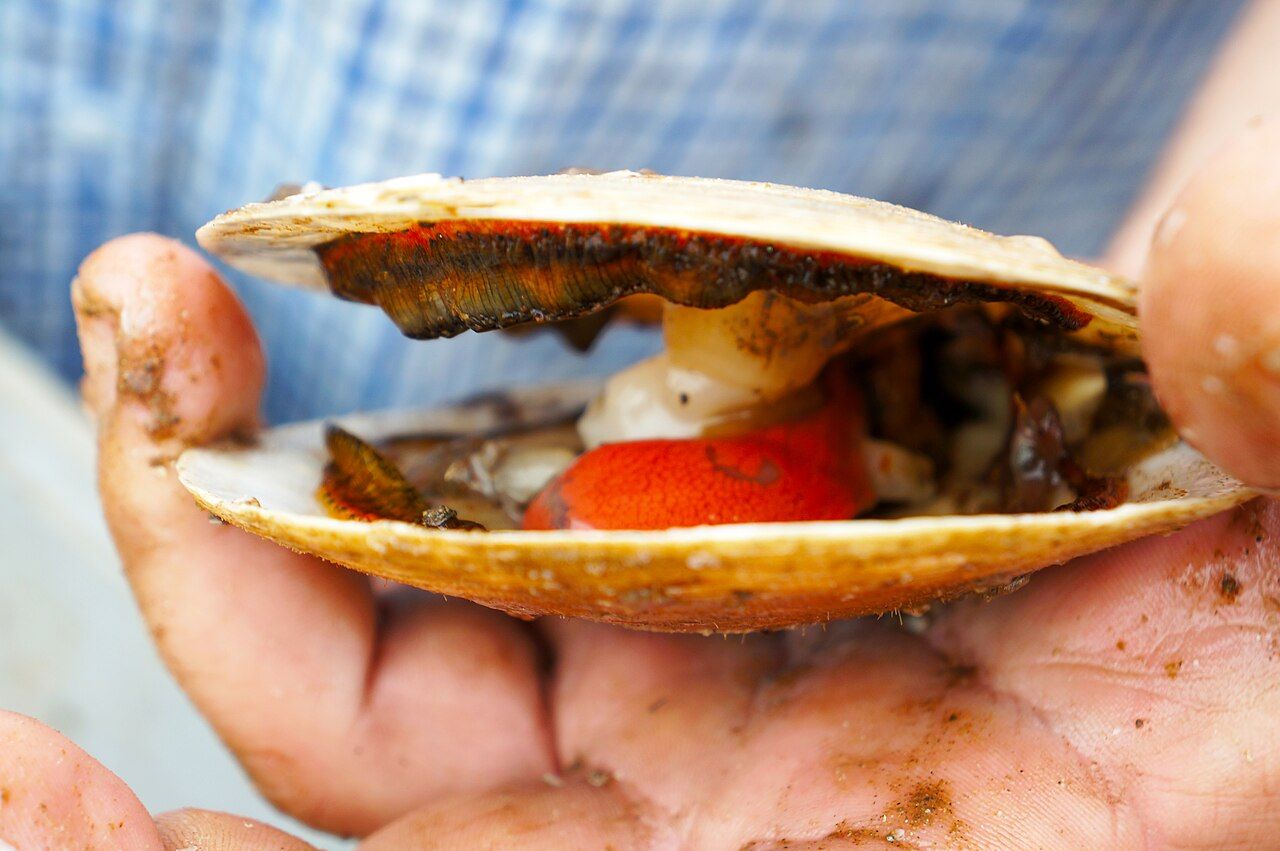
The deep, cold water of the bay grows large sea scallops, and scallop fishing is an important fishery on both shores. The part most people eat is the round white muscle that opens and closes the shell. The meat is sweet and delicate and needs very little cooking; pan-seared or simply fried, it is one of the best things on the coast.
Inside the shell you may also see the roe, bright orange in females and paler in males. In much of North America it is usually removed, but some cooks keep it.
Herring, sardines and the smokehouse
For generations, herring was the fish that kept the outer bay working. Fishermen trapped it in weirs, large circles of stakes and netting built in coves and shallows, and the catch went to canneries and smokehouses. Small herring were packed as sardines; larger fish were salted and hung in tall wooden smokehouses, where slow fires turned them into smoked herring that would keep for months.
Much of that industry has gone, but its traces remain. You can still find smoked herring along the coast: whole and golden, as boneless fillets, or as kippers. It has a strong, salty, smoky flavour and goes well with bread, potatoes or crackers. The history of the smokehouses is told in Seal Cove and the herring smokehouses.
Dulse and the seaweed harvest
Dulse is a red seaweed that grows on rocks in the lower part of the tide zone. On the west side of Grand Manan, it has been gathered by hand for generations at low tide, then spread on the rocks or on nets to dry in the sun and wind. The dried fronds are purple-red, leathery and salty, and people eat them as a snack straight from the bag, much as you would eat chips.
It is an acquired taste for many: salty, a little smoky, with a strong taste of the sea. It is also used in cooking, crumbled into soups or chowders or added to bread and butter. The full story of where it comes from is in Dark Harbour and the dulse gatherers.
Clams, periwinkles and the flats
The wide mudflats exposed at low tide hold soft-shell clams, and digging them is a long tradition around the bay. Fried clams and steamed clams with butter are both summer staples. Periwinkles, small sea snails on the rocks, are gathered and boiled in some communities.
If you want to gather shellfish yourself, be careful on two fronts. First, shellfish areas are regularly closed because of natural toxins in the water or pollution, and eating shellfish from a closed area can make you seriously ill. Rules and licences also apply. Check for closures and regulations before you dig. Second, digging means working on the flats with your head down, which is exactly how people lose track of the incoming tide. Know the tide times and keep watching the water.
From the woods and fields
The coast's food is not only from the sea. In spring, fiddleheads, the tightly curled young fronds of the ostrich fern, appear in markets across New Brunswick and are eaten steamed or boiled with butter. Always cook them properly before eating. In late summer, wild blueberries ripen on barrens and hillsides, turning up in pies, muffins and pancakes. Maple syrup is made in the province's hardwood stands in early spring.
Where to find it
You do not need to know names to eat well here. Look for:
- Wharves and harbours, where some fishermen sell directly when they land.
- Small seafood shops and takeout stands along the coastal roads, especially in summer.
- The farmers' and public markets in the larger towns, including the City Market in Saint John, described in Saint John and the Reversing Falls.
- Roadside stands selling smoked fish, dulse, berries or vegetables in season.
Ask what is fresh and where it came from. Prices and availability change with the season and the catch; let the bay decide the menu.