Fog, light and the Fundy seasons
Cold water and warm air make summer fog a fact of life on the bay. The clear days that follow, and the bright autumns, are worth the wait.
Bay-wide · from Saint John: Fog reaches Saint John's harbour too
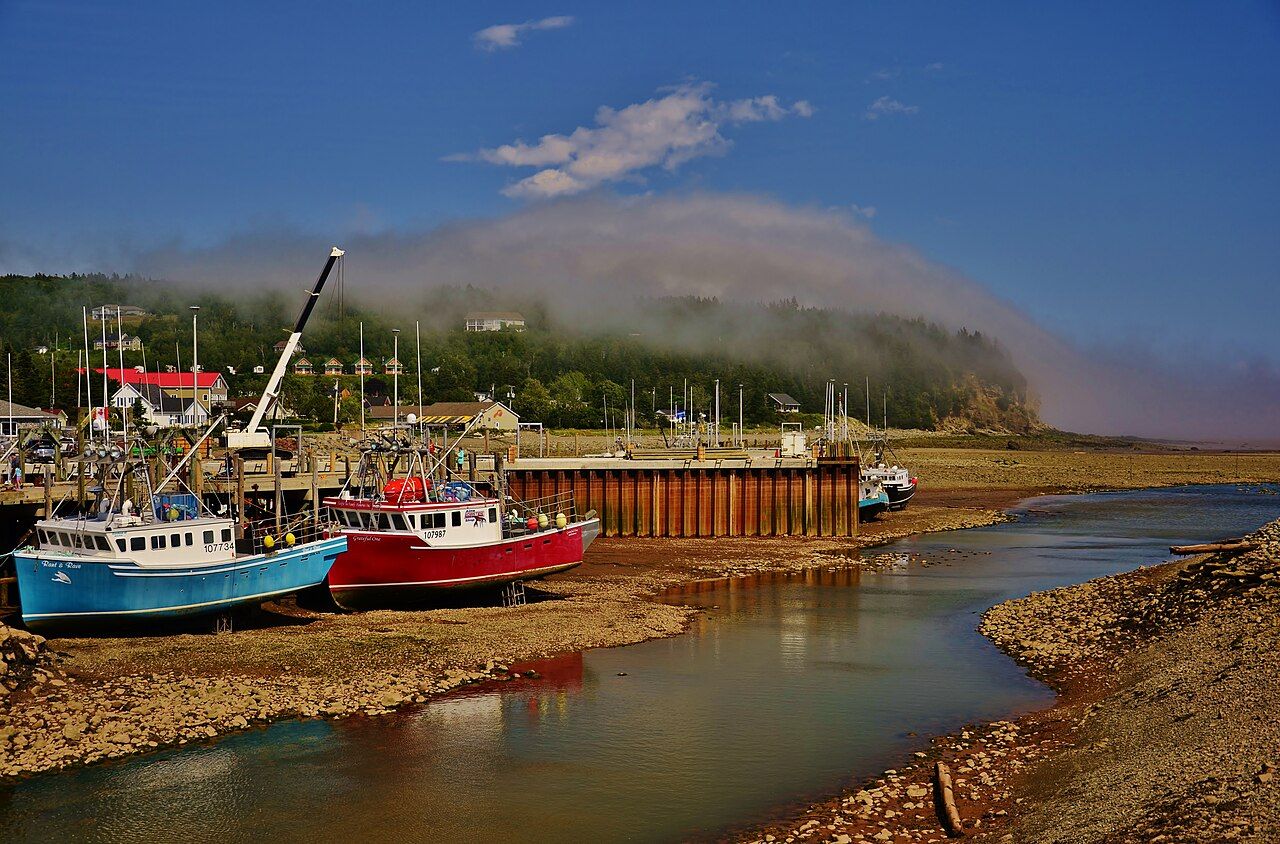
Tide note Fog can hide the shoreline and the returning water on the flats. If fog rolls in while you are on the sea floor, head back at once.
The first thing many visitors notice about the Bay of Fundy in summer is that they cannot see it. A bright morning inland turns into a grey, damp wall at the coast, and the bay, the islands and sometimes the far side of the harbour vanish. A few hours later the fog may pull back to reveal blue water and sharp light, or it may stay all day. Fog is not bad luck here. It is part of the climate, and learning how it works makes a trip far easier to plan.
Why the bay is so foggy
The bay's water stays cold all year. Its tides churn it from top to bottom, mixing cold deep water up to the surface, so even in midsummer the sea near the shore is chilly. When warm, humid air from the south or southwest moves over that cold water, it cools from below, and the moisture in it condenses into fog. The fog then drifts in over the coast on the breeze.
That is why fog is most common from late spring through summer, when the air is warm and the water is still cold. It tends to sit thickest on the outer coast and the islands, including Grand Manan and the Fundy Isles, and to thin out a short distance inland. It often lifts or burns off by late morning or afternoon and returns in the evening, though some days it never moves at all.
Living with summer fog
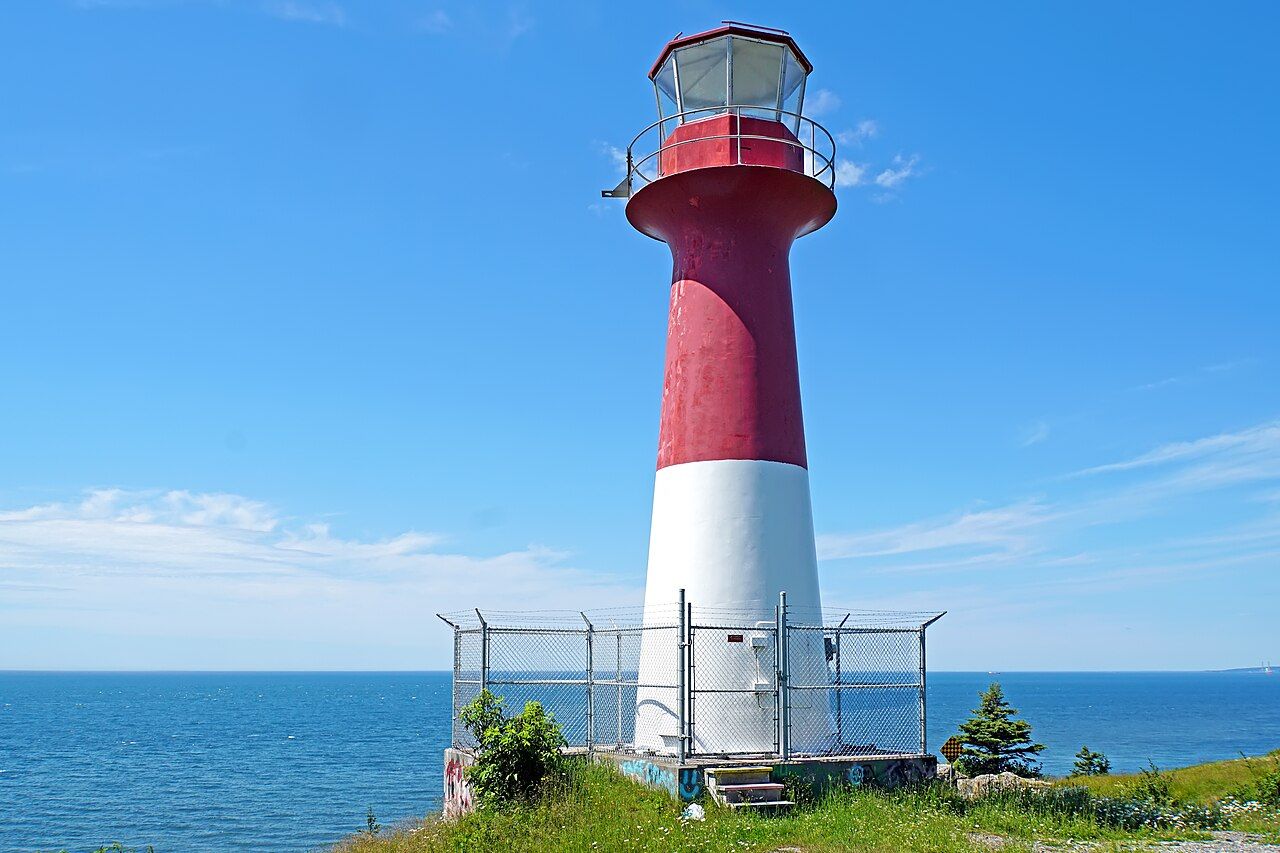
Fog changes how you plan a day on the coast. Views from lookouts and clifftop trails may disappear; boat trips may be delayed or rearranged; driving on coastal roads becomes slower. It also has its own beauty: muffled sound, foghorns, lighthouses and wharves appearing and disappearing, and sudden clearings that light up a single cove.
- Keep plans flexible. Put viewpoints and clifftop walks on the days or hours when it is clear.
- On cliff trails in fog, stay on the marked path. Edges are hard to see, and the drop on some islands is sheer.
- Drive with headlights on and allow more time, especially if you are heading for a ferry.
- Fog can also bring a light, soaking drizzle. A good rain shell is worth more than an umbrella.
Fog and tide together call for extra care. On the mudflats or the sea floor, fog can hide the shoreline and the water returning across the flats. If it closes in while you are out, head back at once. Tide safety is explained in understanding the highest tides.
Spring
Spring comes late to the bay. The cold water keeps the coast cool well into May and even June, with raw, damp days alongside the first warm ones. Inland trees leaf out before those on the shore. It is a quiet season, with many seasonal businesses not yet open, but it has its rewards: fiddleheads in the markets, migrating birds along the shore and the first whales arriving in the outer bay toward early summer.
Summer
July and August are the busiest months. Days are long, the parks and attractions are fully open, and the chance of whales is good in the outer bay. They are also the foggiest months on the coast. Temperatures on the shore are usually mild rather than hot, and evenings can be cool enough for a fleece. If inland New Brunswick is sweltering, the coast may be ten degrees cooler and shrouded in grey.
Autumn
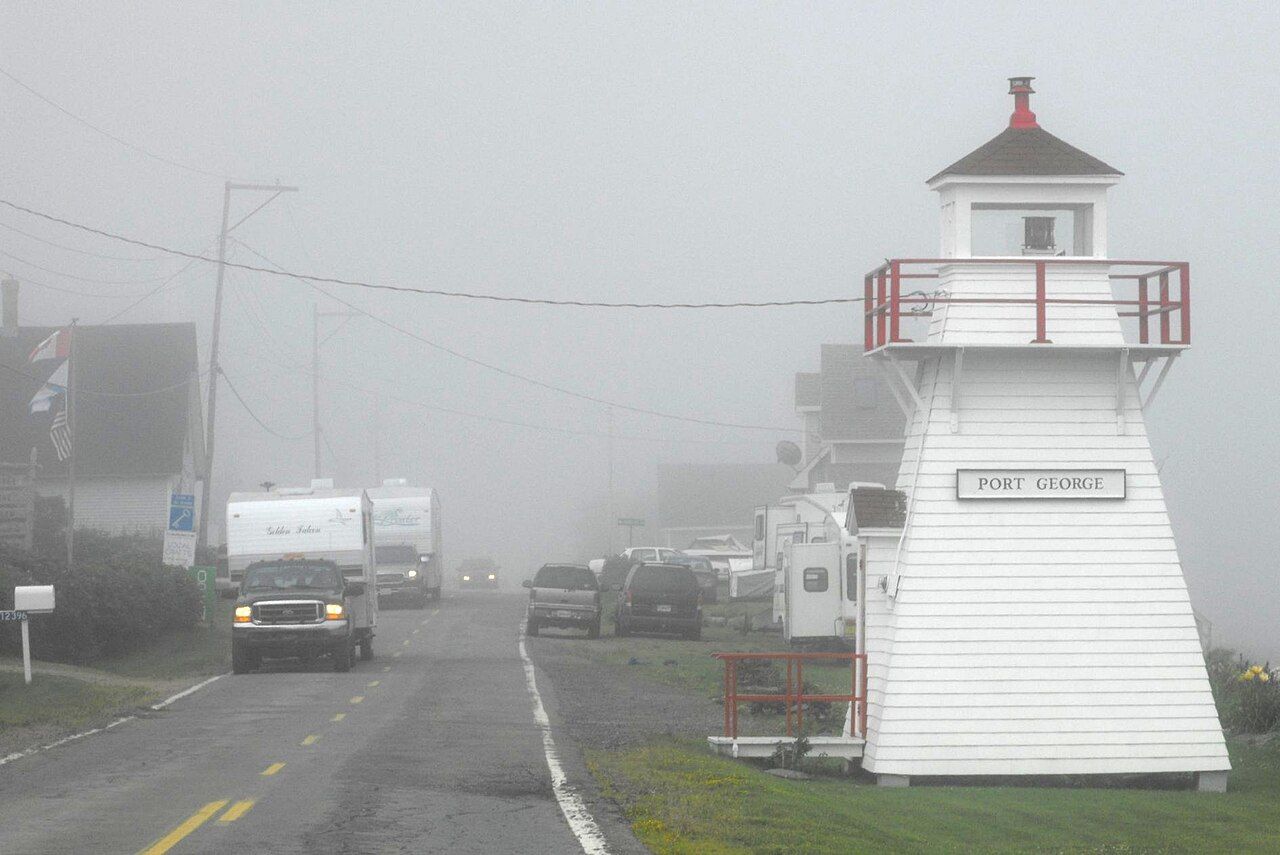
For many people who know the bay, September and early October are the best time of year. The air cools while the water is at its warmest, so fog becomes less frequent and the clear days come more often. Light is softer and sharper at once, and the hardwoods in the hills behind the coast turn red and gold. Whale-watching often continues into autumn, and the crowds thin after the end of summer. Some seasonal services start to close as October goes on.
Winter
Winter on the bay is cold, often windy and quiet. Snow and ice come and go along the coast, and storms can bring heavy seas. Life carries on in the fishing communities, and the lobster boats of the outer bay work through much of the cold season. Ferries to Grand Manan and Deer Island run year-round, but schedules may be reduced, and sailings can be cancelled in bad weather. Seasonal parks, roads such as the Fundy Trail Parkway, and many businesses close. If you travel in winter, check ferry schedules and road conditions before you go; more on that is in ferries and roads around the bay.
What to pack
Whatever the month, the bay rewards layers. A practical list for most of the year:
- A waterproof, windproof jacket.
- A fleece or warm sweater, even in summer.
- A warm hat and light gloves for boat trips and evenings.
- Waterproof boots or shoes that can get muddy, for beaches and the sea floor.
- A headlamp for evenings in the parks and on the islands.
- Insect repellent from late spring to midsummer.
Pack for the boat as well as the shore. Out on the water, even on a sunny August day, the wind off the cold bay can make a crossing or a whale trip feel like autumn, and spray carries further than you expect.
Above all, pack patience. A grey morning on Grand Manan or along the Fundy shore can turn into a brilliant afternoon, and the clear hour after the fog lifts is often the best light of the day.